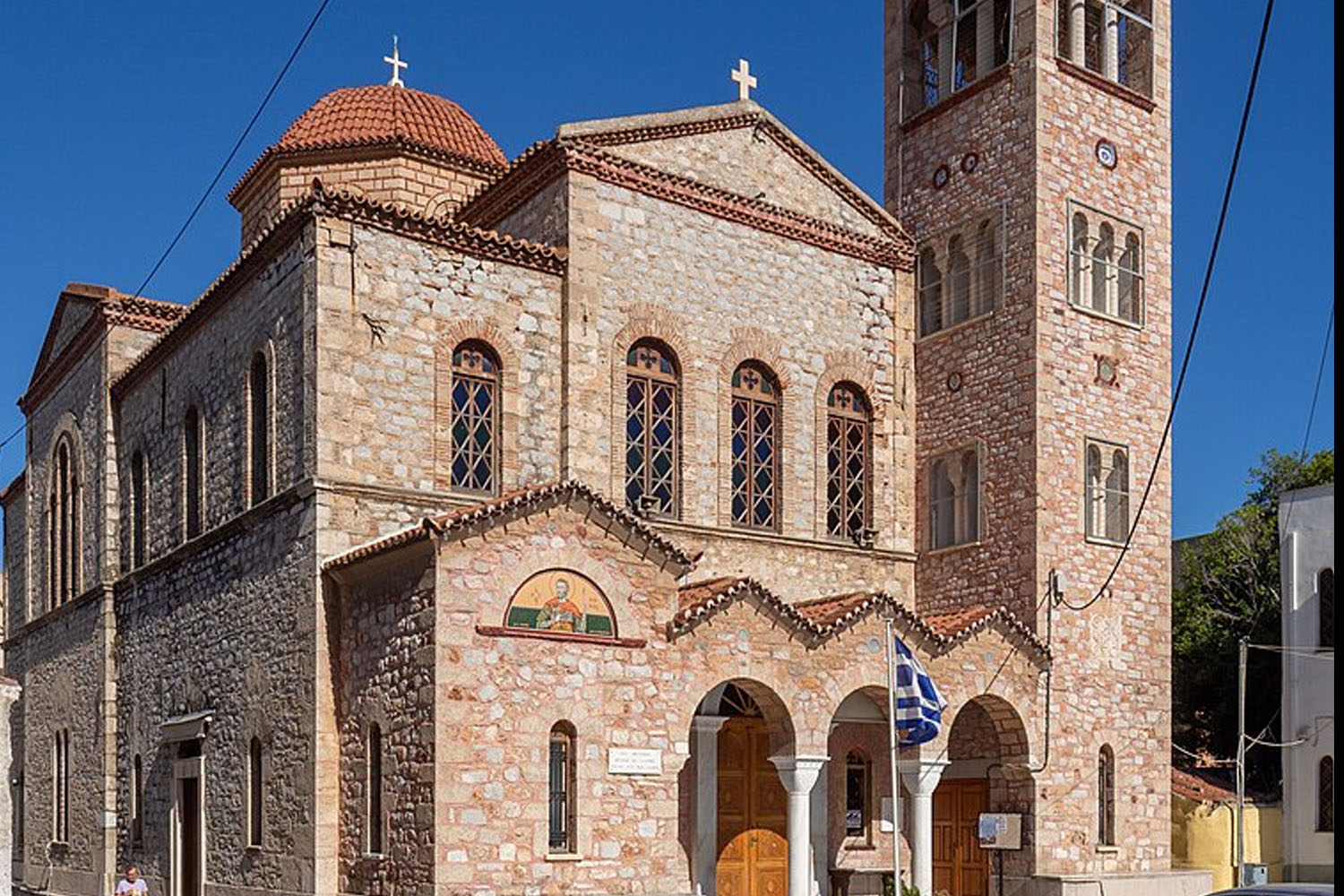
Salamina Island's churches represent centuries of Greek Orthodox tradition and Byzantine architectural heritage, creating a spiritual landscape that reflects the island's deep religious roots and cultural continuity. These sacred sites offer visitors glimpses into authentic Greek Orthodox worship and the artistic traditions that have flourished throughout the island's history.
Salamina Island's churches represent centuries of Greek Orthodox tradition and Byzantine architectural heritage, creating a spiritual landscape that reflects the island's deep religious roots and cultural continuity. These sacred sites offer visitors glimpses into authentic Greek Orthodox worship and the artistic traditions that have flourished throughout the island's history.
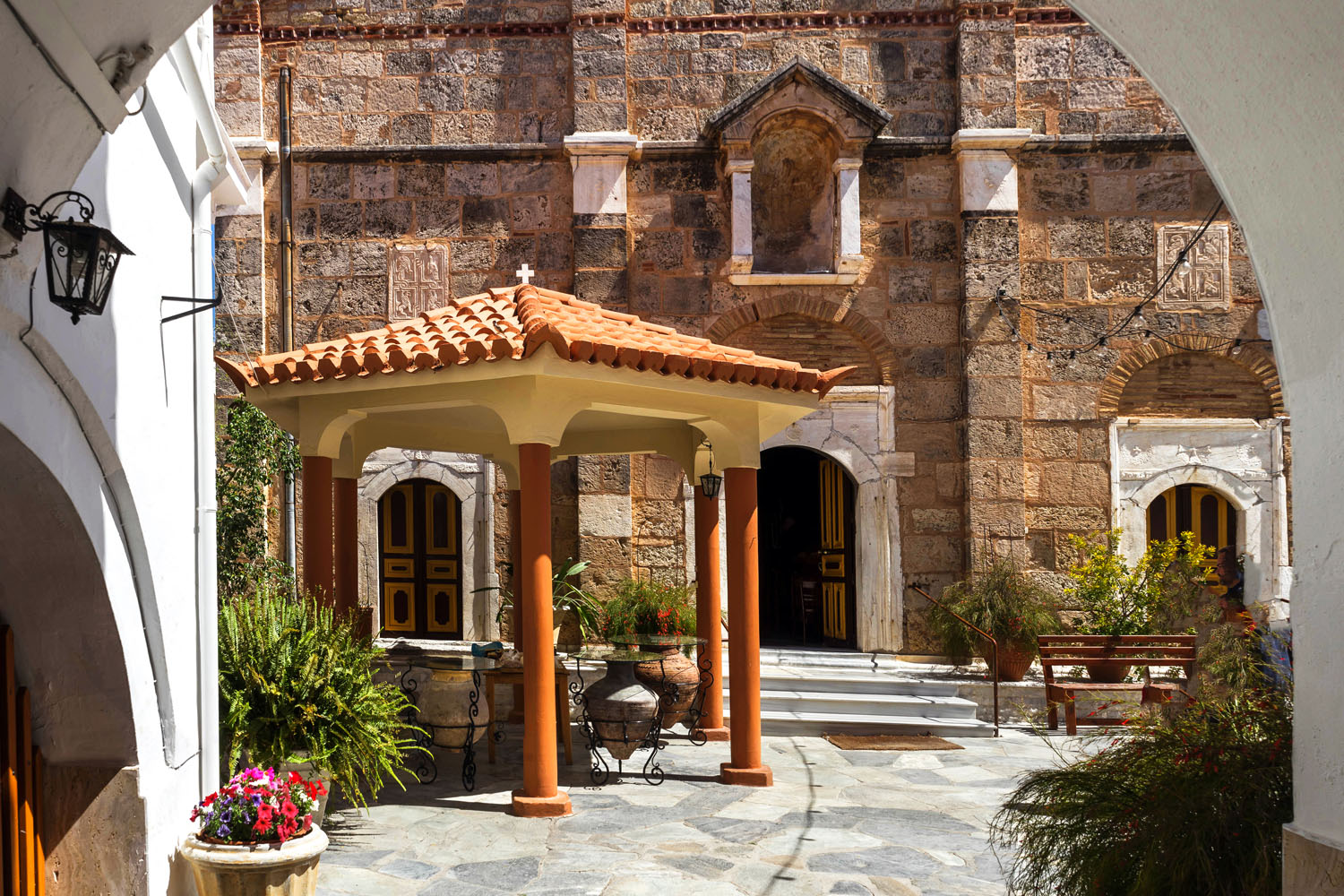
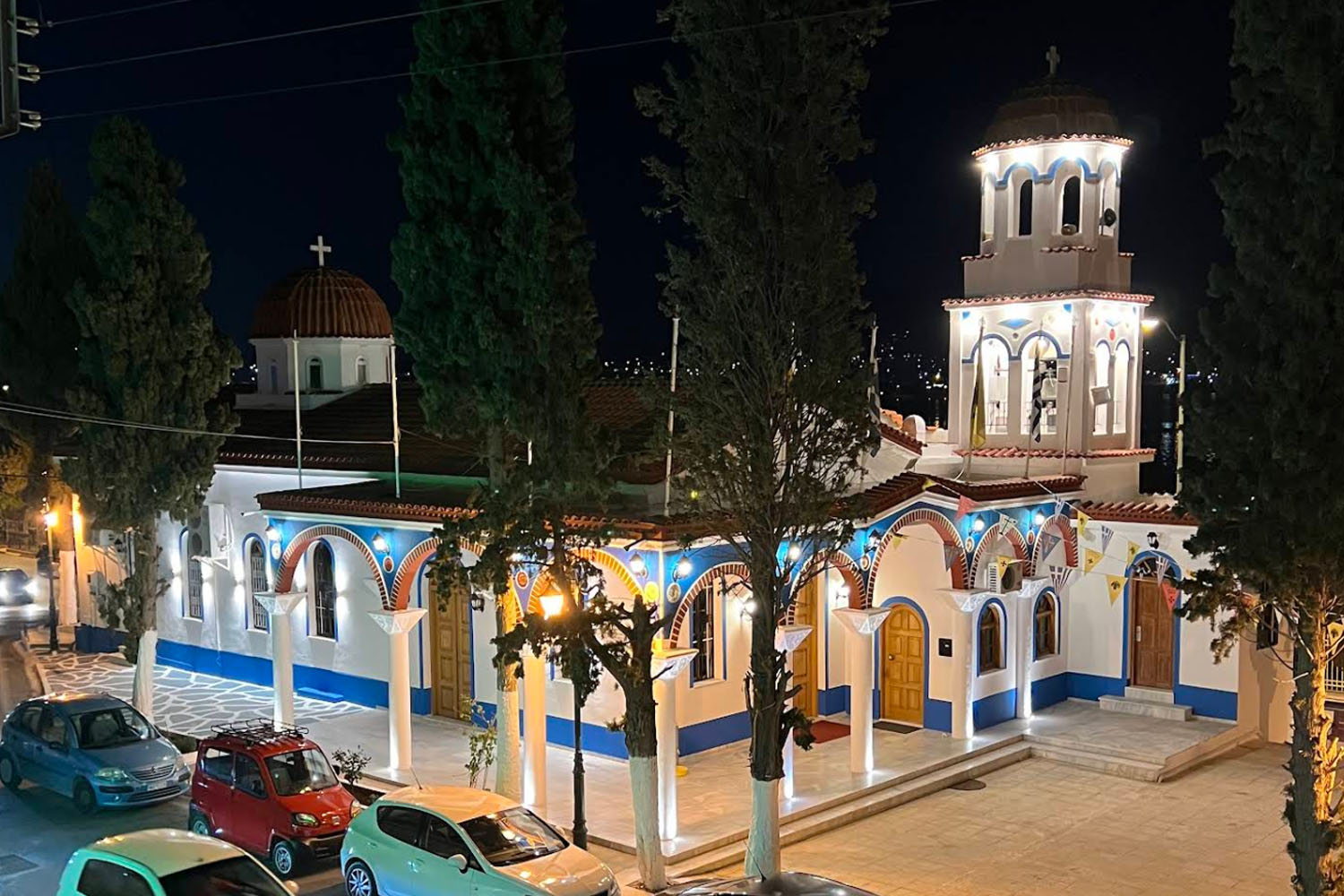
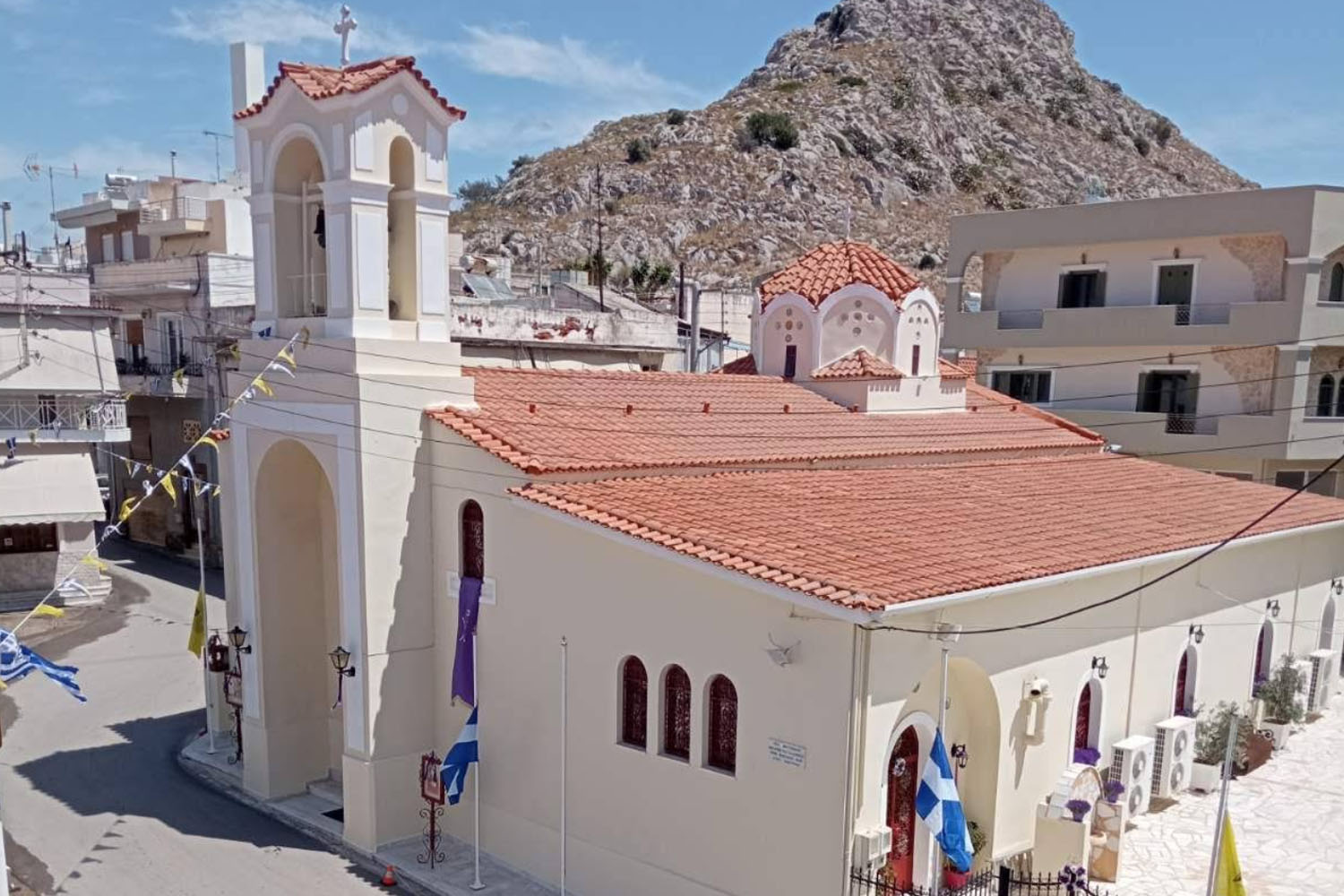
The island's Byzantine churches feature traditional Orthodox architecture with distinctive domes, iconostases, and frescoes that showcase religious art spanning multiple historical periods. Many churches contain rare icons, religious artifacts, and architectural elements that demonstrate the evolution of Greek Orthodox ecclesiastical art and craftsmanship.
Local parish churches serve as community centers where traditional Greek Orthodox celebrations, festivals, and religious observances maintain their authentic character. These spiritual gatherings provide opportunities for visitors to witness genuine Greek religious traditions, including feast day celebrations, blessing ceremonies, and seasonal religious festivals.
The churches of Salamina preserve important religious manuscripts, historical documents, and sacred objects that chronicle the island's ecclesiastical history. These collections offer insights into the role of Orthodox Christianity in shaping local culture, community life, and artistic expression throughout various historical periods.
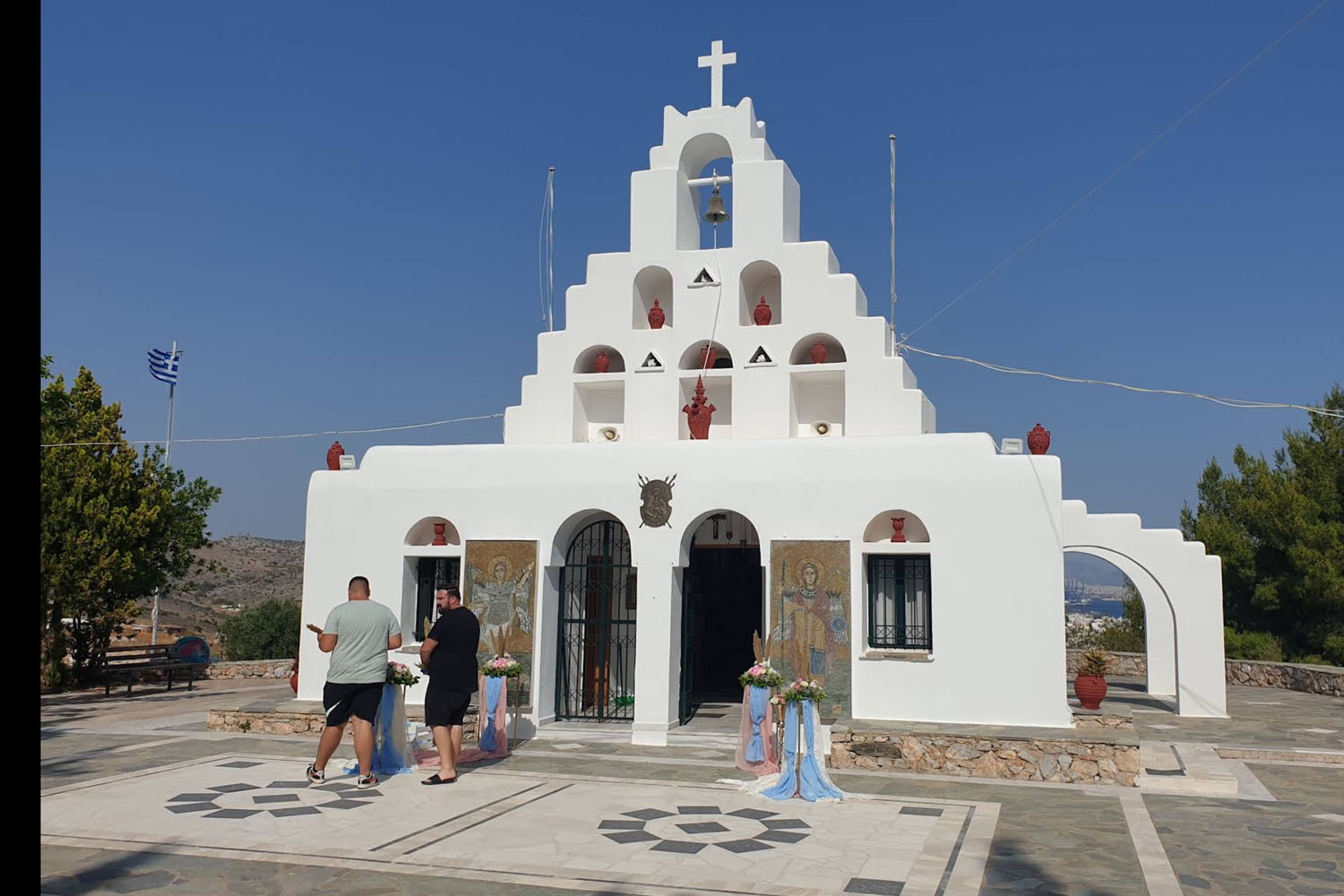
Architectural styles represented in Salamina's churches range from simple early Christian basilicas to elaborate post-Byzantine constructions, creating a diverse religious architectural heritage. Each church tells unique stories about the communities that built and maintained them, reflecting changing artistic influences and religious practices.
Many churches occupy historically significant locations, built on ancient sacred sites or positioned to serve specific neighborhoods and communities. These strategic placements demonstrate the integration of religious life with daily island activities and the central role of Orthodox Christianity in Greek island culture.
Visitors can explore church interiors featuring traditional Orthodox iconography, carved wooden iconostases, and religious artwork created by local and regional artists. These spiritual spaces provide peaceful retreats for contemplation while showcasing the rich artistic heritage of Greek Orthodox religious expression.